
Oakwood ASL Club Gives Students a New Way to Connect
When you think of after-school clubs, especially for kindergarten and first grade students, you probably picture a somewhat chaotic and definitely noisy classroom, but that is not the case for one club at Oakwood.
Started in 2017 as a way to widen the reach of the Deaf and Hard of Hearing program in the building, the Sign Language Club is all about learning new ways to communicate. Because there are Deaf and Hard of Hearing students and staff members in the community, it also creates an opportunity for students to interact with classmates that they may not have otherwise gotten to know. The club is offered for hearing students and has consistently high interest each year with 31 first grade students and 14 kindergarteners signed up this spring.
Julie Wojtowicz is an EIPA Certified Sign Language Interpreter and Sign Language Club Co-Sponsor who has been a part of the group since the beginning. What started as an idea to just spread the love of ASL to students outside of the Deaf and Hard of Hearing program has become a staple ever since, even spreading to all 113A schools and Lemont High School.
“The cool thing is that we can start with students in kindergarten and then they will rise through the grades with the Deaf & Hard of Hearing students in their grade, as well as the same kids from the club who can keep practicing and learning as they go,” said Wojtowicz. 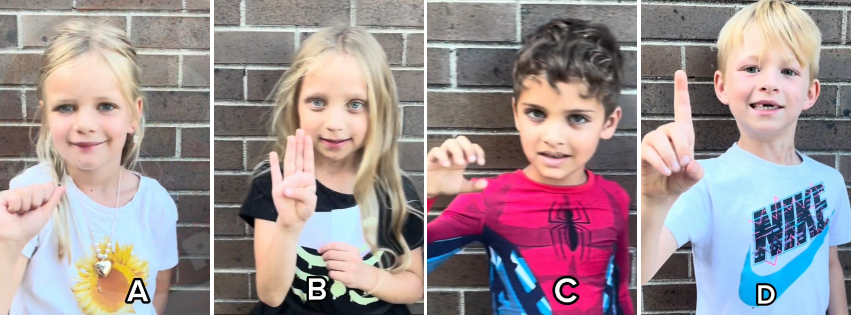 Each week, students review the basics like the sign language alphabet and how to fingerspell their names, different colors and more. By the second week of the club, attendance is taken fully in ASL and students recognize their names being signed and silently but confidently announce that they are present.
Students get started with a fingerspelling warm up activity that has different words or phrases, like the school motto or a joke in the sign language alphabet that they have to decode. Each one hour meeting centers around a different topic including games they like to play on the playground, signing about pets, or learning numbers so they can quickly share their age and grade in ASL. There are lots of smiles and aha moments, but not a lot of noise.
“If I am explaining something, I may use my voice while signing, but once we get into the signs and the topic we usually only use sign language,” said Wojtowicz. “We are definitely a safe space for kids to try and try again and if they forget how to sign something, they can sign ‘help please’ and we will help them out.”
By the time the club rolls past the halfway mark, students are able to sign colors, numbers, family members, how they are feeling, “please” and “thank you,” and practice their skills in fun ways. Occasionally, the classroom transforms into a new environment to practice in, such as a restaurant. Students are given a menu and can order in sign language while the student playing the server takes their order and heads to the kitchen (a bin of plastic foods) to bring back their order as the “diners” confirm whether or not the order is correct. Another time, they ran a pretend store for school supplies, where one student would sign what they needed, while the “employee” would get it for them. 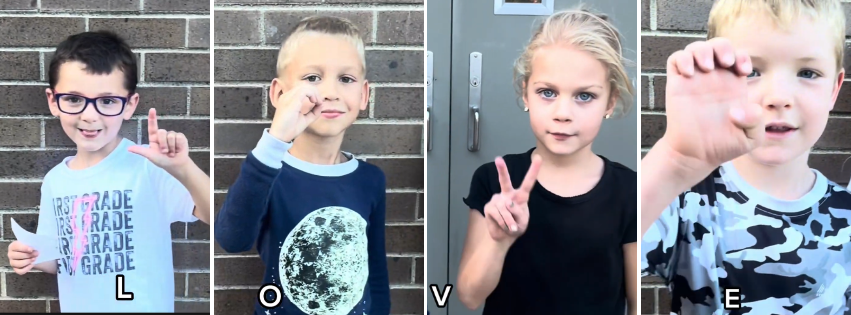 “At the end of the ten weeks we give out certificates and film a video of students signing their names, signing along to songs, and showing all the cool things they have learned in ten weeks,” said Wojtowicz. “We also have Deaf staff members who come in to help teach the club so our students don’t just learn ASL, they get to experience the culture of the Deaf and Hard of Hearing community.”
More than an opportunity to connect with each other and learn something new, the club gives young learners a new way to communicate that allows them to connect with others who know ASL.
"The best thing is when a student from the club approaches one of the Deaf students in the lunchroom, for example, and signs, ‘Do you want to be friends?’ and they proceed to play together at recess,” said Wojtowicz. “Seeing them take what they've learned and put it into action to create an inclusive environment is what the club is all about."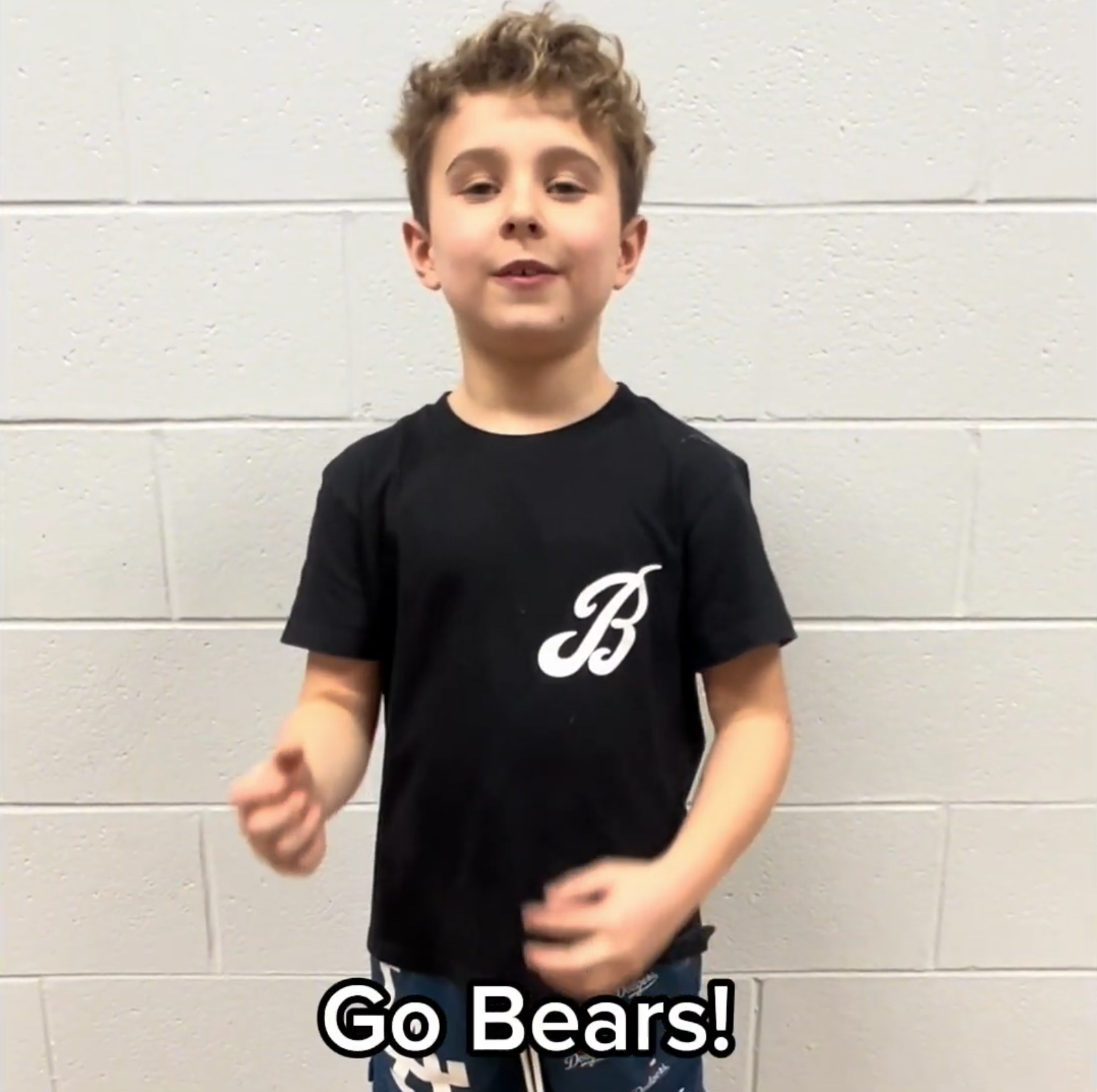 For a closer look at what the students are capable of after being in the club, check out recent videos from Fall 2025, Spring 2025, and Fall 2024